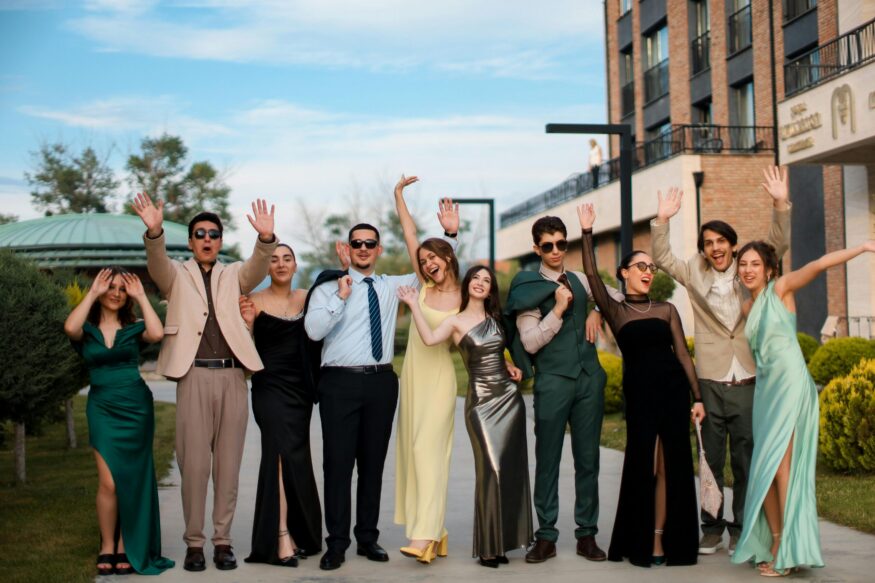
Dress codes are meant to make getting ready easier, not more stressful, even if they can feel a little confusing at first. Whether you’re attending a wedding, corporate dinner, charity gala, beach celebration, or casual party, the dress code gives you helpful clues about the formality, setting, and overall feel of the event.

Create Your Online Invitation
Design and send elegant, customizable digital invitations with real-time RSVP tracking — no time limit, no credit card required.
Get startedThis guide breaks down the most common dress codes for 2026, with outfit ideas, etiquette tips, and simple examples to help you feel confident before you arrive.
Quick Guide for Common Dress Codes
Here’s a simple overview of what each dress code usually means:
Casual: Relaxed clothing that still looks neat and intentional. This dress code is common for backyard parties, casual birthdays, and informal gatherings.
Smart Casual or Dressy Casual: Comfortable clothing with a polished finish. This is a common choice for rehearsal dinners, casual engagement parties, and relaxed work events.
Business Casual: Professional, but not overly formal. You’ll often see this dress code for conferences, networking events, and office gatherings.
Business Formal: Traditional professional attire. This is a common choice for board meetings, investor events, awards ceremonies, and formal corporate dinners.
Semi-Formal: Dressier than business wear, but not fully formal. This dress code is common for afternoon weddings, graduations, and anniversary dinners.
Cocktail: Polished evening attire with a festive feel. Cocktail attire often appears on invitations for evening weddings, cocktail parties, and engagement parties.
Black Tie Optional: A tuxedo or formal dark suit is welcome, along with gowns, formal dresses, or dressy separates. This dress code is common for formal weddings, galas, and charity events.
Black Tie: Tuxedos, floor-length gowns, and formal eveningwear. You’ll often see this dress code for galas, museum events, and formal evening weddings.
White Tie: The highest level of formalwear. This dress code is rare, but may appear for state dinners, royal events, and very formal balls.
Festive or Themed: Cocktail-style attire with seasonal or creative details. This is common for holiday parties, themed celebrations, and New Year’s Eve events.
Beach Formal or Resort Formal: Dressy warm-weather attire suited to an outdoor setting. This dress code is often used for destination weddings, beach ceremonies, and resort events.
What Is a Dress Code?
A dress code is a set of guidelines that helps guests understand how formal, casual, or themed an event will be. It gives everyone a shared sense of what to wear so they can arrive feeling comfortable and appropriately dressed.
Dress codes can appear on printed invitations, digital invitations, wedding websites, event pages, or reminder emails. They might be as simple as “cocktail attire” or as specific as “black tie optional with garden-inspired colors.”
If you’re unsure what a dress code means, it’s perfectly fine to ask the host for clarification. A simple note works well:
“We’re so excited to celebrate with you. Could you share a little guidance on the attire?”
You can also look at the venue, time of day, season, and event photos from previous years. These clues often make the dress code easier to interpret.
Casual, Smart Casual, and Dressy Casual Attire

Casual, smart casual, and dressy casual dress codes are relaxed, but they still call for a thoughtful outfit. The goal is to look comfortable, polished, and ready for the occasion.
These dress codes often appear for casual engagement parties, rehearsal dinners, company happy hours, birthday celebrations, gallery events, and informal gatherings.
Casual Attire
Casual attire should feel easygoing, but still put together. For women, this might include dark or mid-wash jeans, chinos, casual trousers, a simple midi dress, a knit top, or a polished T-shirt. Clean sneakers, flats, loafers, or dressy sandals can all work depending on the setting.
For men, casual attire might include dark jeans, khaki pants, chinos, a polo shirt, a casual button-down, or a clean sweater. Minimalist sneakers, loafers, or casual leather shoes are usually good choices.
In most cases, gym clothes, ripped denim, flip-flops, and logo-heavy hoodies may feel too casual unless the invitation or event setting clearly suggests that level of informality.
Smart Casual and Dressy Casual Attire
Smart casual and dressy casual are slightly more elevated than casual. Think of them as polished, comfortable outfits that work well for dinner, celebrations, and social events.
For women, that might mean a midi dress, tailored pants with a blouse, a skirt with a refined top, or a casual dress with polished shoes. For men, it could mean chinos with a button-down shirt, a sweater layered over a collared shirt, or dark jeans with a blazer.
A little polish goes a long way here. If you’re choosing between two outfits, the slightly dressier option can be a good way to feel confident and prepared.
Business Casual and Business Formal Attire

Business dress codes are most common for professional events, including conferences, client meetings, networking receptions, fundraisers, board meetings, and corporate dinners.
The right choice depends on how formal the event is and whether the invitation says business casual or business formal.
Business Casual Attire
Business casual should feel professional, but not overly formal. It works well for internal meetings, trade shows, networking breakfasts, and daytime corporate events.
For women, business casual might include tailored trousers, dress pants, a knee-length or midi dress, a structured knit top, a silk blouse, or a crisp button-down shirt. A blazer can help make the outfit feel more polished, especially for client-facing events.
For men, business casual usually includes chinos or dress slacks, a button-down shirt, a fine-gauge sweater, or an optional blazer. Leather loafers, Oxfords, and dress shoes are all appropriate choices. A tie is often optional, but it can be useful for more formal company cultures or executive-facing events.
Business Formal Attire
Business formal is more structured and traditional. It’s a good choice for investor presentations, board meetings, awards ceremonies, formal dinners, and high-level professional events.
For women, business formal might include a dark or neutral suit, a tailored dress with a blazer, a silk blouse, minimal jewelry, and polished closed-toe shoes. For men, it usually means a dark suit, a dress shirt, a conservative tie, polished leather shoes, and dark dress socks.
The goal is to look composed, professional, and refined.
Semi-Formal and Cocktail Attire
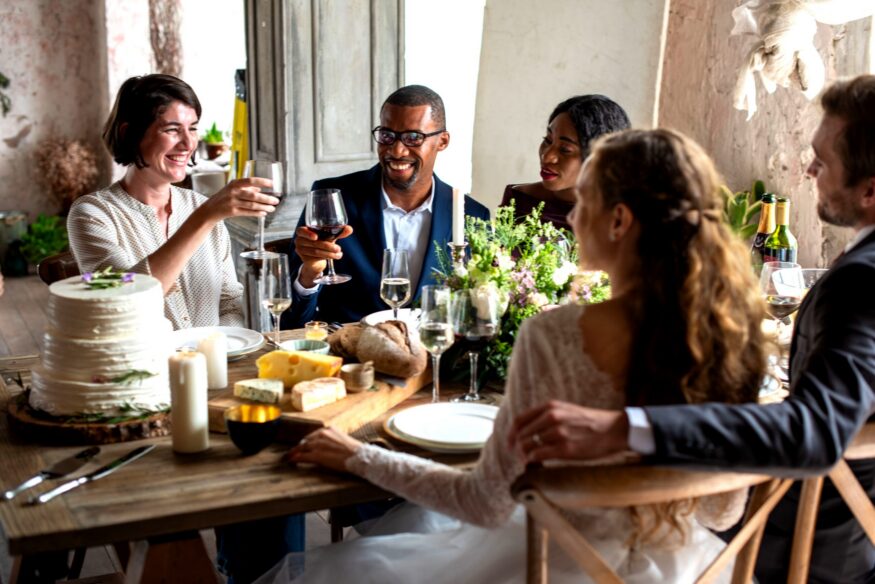
Semi-formal and cocktail attire are two of the most common dress codes for weddings, receptions, parties, and evening celebrations.
They are similar, but cocktail attire usually feels a bit more festive and evening-focused.
Semi-Formal Attire
Semi-formal attire sits between dressy casual and formal. It is polished, celebratory, and appropriate for many afternoon weddings, graduations, anniversary dinners, and early-evening receptions.
For women, semi-formal attire might include a knee-length dress, midi dress, dressy jumpsuit, long skirt with a polished top, or elegant separates. Dressy flats, heels, or sandals can all work well.
For men, semi-formal attire usually means a dark suit or blazer with tailored trousers, a collared dress shirt, leather dress shoes, and an optional tie.
Dressy fabrics, clean lines, and elegant accessories help make the outfit feel special without becoming overly formal. Denim and sneakers may feel too casual for many semi-formal events unless the invitation or venue suggests they’re welcome.
Cocktail Attire
Cocktail attire is a polished evening dress code that often appears on invitations for weddings, engagement parties, holiday parties, and upscale celebrations. It usually applies to events that begin in the late afternoon or evening.
For women, cocktail attire might include a cocktail dress that falls above the knee, at the knee, or midi length. Dressy jumpsuits, satin separates, velvet, chiffon, metallic fabrics, and a classic black dress can also work beautifully. Refined jewelry, a clutch, and elegant shoes help complete the look.
For men, cocktail attire usually means a dark suit in navy, charcoal, or black, paired with a crisp dress shirt, tie or bow tie, and polished dress shoes. A pocket square can add a subtle touch of personality.
Cocktail attire gives you a little room to have fun with color, texture, and accessories while still looking polished. For weddings, it’s usually thoughtful to steer away from white, ivory, or anything that could read as bridal unless the couple has specifically requested it.
Seasonal Cocktail Attire Tips
Season can help guide your outfit choices. For winter cocktail events, richer fabrics like velvet, brocade, wool, and satin feel especially fitting. For summer cocktail events, lighter fabrics like linen blends, chiffon, and breathable cotton can help you stay comfortable while still looking polished.
Black Tie, Black Tie Optional, and Creative Black Tie
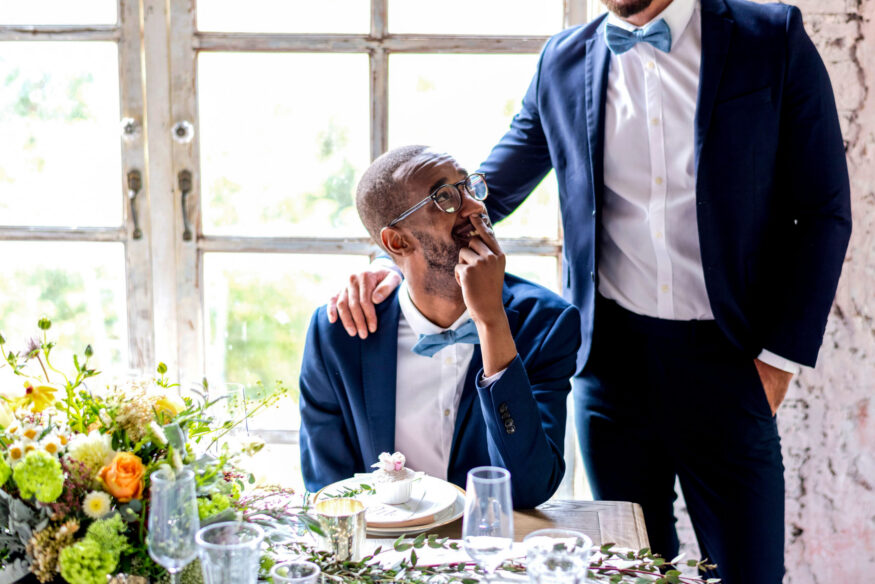
Black tie dress codes are usually reserved for formal evening events, including weddings after 6 p.m., charity balls, museum galas, film premieres, and formal New Year’s Eve celebrations.
These dress codes are more specific than cocktail or semi-formal attire, so it’s helpful to understand the differences.
Black Tie Attire
Black tie is classic formal evening wear. It is more formal than a dark suit and usually calls for tuxedos, gowns, and refined accessories.
For men, black tie traditionally means a tuxedo with satin lapels, tuxedo trousers, a white formal shirt, dress studs or cufflinks, a black bow tie, and patent leather dress shoes or highly polished black Oxfords. A regular necktie usually feels less appropriate for a true black tie event.
For women, black tie often means a floor-length evening gown, though a formal midi dress, very formal cocktail dress, or dressy evening separates may be appropriate depending on the event. Silk, velvet, chiffon, satin, refined jewelry, and an evening bag all fit the tone.
Floor-length gowns are the most traditional choice, but many modern black tie events allow elegant alternatives.
Black Tie Optional Attire
Black tie optional gives guests a little more flexibility. A tuxedo is welcome, but a very dark, formal suit can also be appropriate.
Hosts often choose this wording when they want the event to feel formal without requiring every guest to rent or purchase a tuxedo.
For women, floor-length gowns, formal midi dresses, elegant jumpsuits, and dressy separates in luxe fabrics can all work. The venue can help guide your decision. A ballroom may call for a more formal gown, while a modern gallery or outdoor venue might allow a slightly more relaxed interpretation.
For men, a tuxedo is ideal if available. A dark suit with a white dress shirt, dark tie, and polished leather shoes is also appropriate for many black tie optional events.
Creative Black Tie Attire
Creative black tie invites guests to add personality while still respecting the formality of black tie.
For men, that might mean a midnight blue or burgundy dinner jacket, a velvet blazer with formal trousers, a patterned bow tie, statement loafers, or a white dinner jacket for a summer event.
For women, creative black tie might include a formal gown in a bold color, sequins, metallic fabrics, dramatic sleeves, sculptural silhouettes, or statement jewelry.
Creative black tie is a lovely opportunity to have fun with your outfit while keeping the overall look refined.
White Tie Attire
White tie is the most formal dress code. It is much less common than black tie, but it may still appear for state dinners, royal events, diplomatic receptions, opera galas, and very formal balls.
If an invitation says white tie, the host will usually make that clear.
For men, traditional white tie attire includes a black tailcoat, matching trousers with a satin braid, a white wing-collar shirt, a white piqué waistcoat, a white bow tie, and black patent leather shoes.
For women, traditional white tie attire includes a formal floor-length ball gown, refined jewelry, evening-appropriate wraps or stoles, and potentially opera-length gloves, depending on the event tradition.
White tie has very specific traditions, so it’s worth checking the event website or asking the host if you need more guidance.
Festive, Theme, Resort, and Beach Formal Dress Codes
Some modern invitations use more creative dress codes, especially for holiday parties, destination weddings, beach ceremonies, and themed celebrations.
These dress codes give guests room to show personality while still creating a cohesive event atmosphere.
Festive Attire
Festive attire is often similar to cocktail attire, with a playful or seasonal touch. It is common for December holiday parties, New Year’s Eve events, office celebrations, and winter weddings.
For women, festive attire might include a jewel-tone cocktail dress, metallic skirt, velvet blazer, satin top, statement earrings, or dressy boots. For men, it might include dark trousers, a dress shirt, a playful tie or pocket square, a velvet blazer, or a polished sweater layered with a collared shirt.
Festive attire should feel celebratory, but still appropriate for the event setting.
Theme Attire
Theme attire invites guests to dress around a specific idea, such as “Roaring ’20s,” “garden party,” “all white,” “masquerade,” or “disco glam.”
The key is to participate thoughtfully without sacrificing comfort or appropriateness. A small nod to the theme can be just as effective as a full costume.
For example, a “Roaring ’20s” event might inspire beaded details, velvet, pearls, suspenders, or a vintage-inspired bow tie. A “garden party” theme might call for floral prints, soft colors, linen, or romantic accessories.
Resort Formal and Beach Formal Attire
Resort formal and beach formal dress codes are common for destination weddings, coastal events, and warm-weather celebrations.
They preserve a dressy tone while accounting for sand, sun, wind, and heat.
For women, beach formal attire might include a flowy maxi dress, dressy sundress, elegant separates, lightweight jumpsuit, wedges, block heels, flat sandals, or dressy slides. If the event will take place on grass or sand, block heels, wedges, flats, or dressy sandals may be more comfortable than stilettos.
For men, beach formal attire might include a linen suit, lightweight wool suit, dress trousers with a button-down shirt, loafers, or dressy sandals. An open-collar shirt may be appropriate if the event feels relaxed, but the overall outfit should still feel polished.
Practical Tips for Outdoor Dress Codes
Outdoor events come with a few extra considerations. Lightweight layers can help with changing temperatures, while secure fabrics and comfortable shoes can make windy or uneven settings easier to navigate.
If you’re a host, adding a short note to your invitation can help guests dress comfortably:
“Our ceremony will take place on the lawn, so block heels or flats are recommended.”
Dress Code Tips for Hosts
As a host, clear dress code language helps guests feel prepared and confident. A little extra detail can make the invitation feel more thoughtful and reduce last-minute questions.
Where to Include the Dress Code
You can include the dress code on the invitation, in the “Details” section of a digital invitation, on the event website, in reminder emails, or in an FAQ section for weddings and multi-day events.
With Greenvelope, hosts can include attire details directly in the invitation experience, along with helpful notes about venue, weather, parking, and event timing.
How to Word the Dress Code
Try to pair the dress code name with a short explanation. This gives guests a helpful starting point without making the invitation feel overly complicated.
Cocktail Attire: “Cocktail attire: Dresses, jumpsuits, suits, and dressy separates are welcome.”
Beach Formal: “Beach formal: Please choose dressy warm-weather attire. The ceremony will take place on sand, so flat sandals or wedges are recommended.”
Black Tie Optional: “Black tie optional: Tuxedos and gowns are welcome, but a dark suit or formal dress is also appropriate.”
Festive Attire: “Festive attire: Think cocktail attire with seasonal colors, velvet, metallics, or celebratory accessories.”
Simple wording helps guests understand the expectation without feeling overwhelmed.
When to Share the Dress Code
Include the dress code on the first formal invitation whenever possible. For weddings, destination events, and formal celebrations, it can also be helpful to repeat the dress code on the event website or in reminder messages about 4 to 6 weeks before the event.
For destination events, outdoor weddings, and multi-day celebrations, consider adding practical notes about shoes, weather, terrain, and venue expectations.
Frequently Asked Questions About Dress Codes
Can I wear jeans to a smart casual or dressy casual event?
Dark, non-distressed jeans are often acceptable for smart casual events, especially in creative, casual, or tech-focused settings. Pair them with elevated pieces, such as a blazer, silk blouse, polished sweater, leather boots, or loafers.
For weddings, funerals, formal venues, and ballroom events, it’s usually best to skip jeans unless the invitation specifically says they are welcome.
What should I do if I do not own a tuxedo for a black tie wedding?
If the invitation says black tie optional, a very dark, well-tailored suit with a white dress shirt and dark tie is usually appropriate. Keep the accessories simple, polish your shoes, and make sure the fit feels sharp.
If the invitation says black tie without “optional,” renting a tuxedo may be the most straightforward choice. You can also reach out to the host if you’re unsure.
How do cultural or religious traditions fit with Western dress codes?
Many events blend Western dress codes with cultural, religious, or family traditions. Traditional garments, modest attire, head coverings, and culturally significant clothing are often welcome, especially when they align with the tone and formality of the event.
If you’re unsure, check the invitation, wedding website, or event details. You can also ask the host for guidance.
Is it okay to ignore the stated dress code?
It’s usually best to respect the dress code as much as you comfortably can. Hosts include dress codes to help create a shared atmosphere and make planning easier.
That said, comfort, safety, health needs, pregnancy, mobility needs, medical footwear, weather, and religious considerations are all valid reasons to adapt an outfit. If you need to make a significant adjustment, a quick note to the host can be a thoughtful gesture.
How far in advance should hosts communicate dress codes?
Hosts should ideally share the dress code with the initial invitation. For weddings, destination events, and formal celebrations, it’s helpful to repeat the dress code on the event website or in reminder emails about 4 to 6 weeks before the event.
Adding a short explanation or example can make the guidance even clearer.
What should I wear if the invitation does not include a dress code?
Start with the event type, venue, time of day, and season.
An evening wedding at a hotel will likely be dressier than a daytime backyard shower. A charity gala usually calls for more formal attire than a casual birthday dinner. When in doubt, choose an outfit that is slightly more polished, and ask the host if you need clarification.
Final Thoughts on Dressing for the Occasion
Dress codes do not have to feel intimidating. At their best, they give guests a little extra confidence and help hosts create the atmosphere they have in mind.
Whether the invitation calls for cocktail attire, beach formal, black tie optional, or something more playful, the goal is simple: choose an outfit that feels respectful, comfortable, and true to the occasion. With a little guidance, you can arrive feeling prepared, polished, and ready to enjoy the event.